
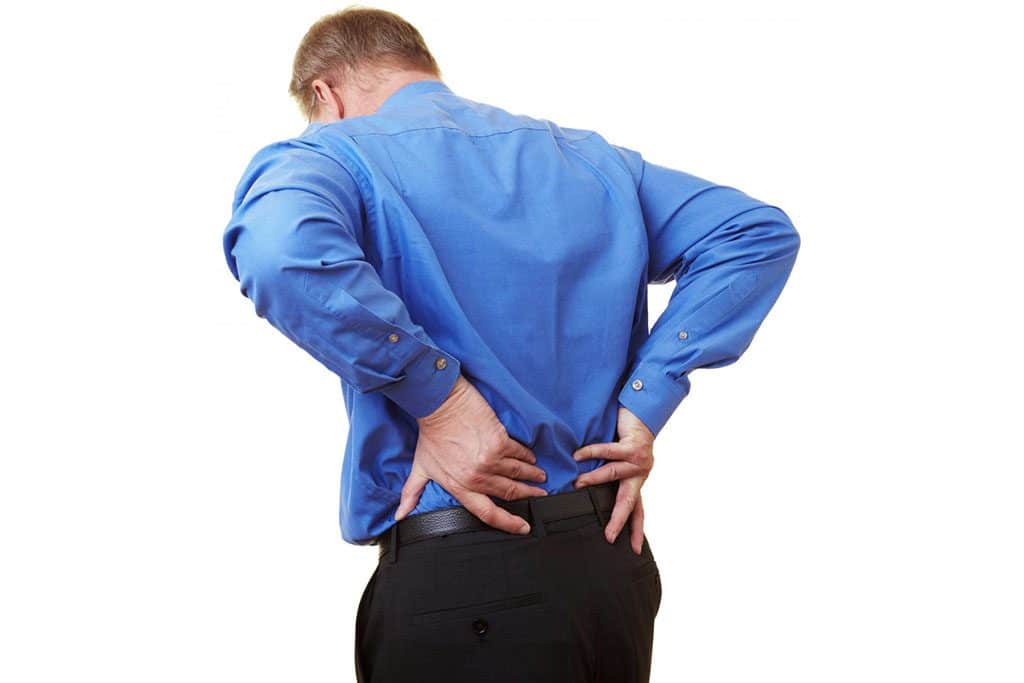
Lower back pain (LBP) is one of the most common health issues affecting Australians, with 1 in 6 people experiencing it at any given time (Australian Institute of Health and Welfare [AIHW], 2021). It is also a leading cause of disability and missed workdays, costing the Australian economy billions annually in healthcare and lost productivity (Woolf & Pfleger, 2020).
Why is Lower Back Pain So Common?
LBP can be caused by several factors, including poor posture, heavy lifting, sedentary lifestyles, and age-related changes like spondylosis or disc degeneration (Walker et al., 2021). Repetitive movements in work and daily life can also contribute to strain on the lower back (Tontodonati et al., 2020).
Who is at Risk?
- Workers in physically demanding jobs
- Older adults, particularly those over 50
- People with poor posture or those who sit for long periods without regular movement
- Athletes or people involved in high-impact activities (Woolf & Pfleger, 2020)
How Physiotherapy Can Help
Physiotherapists are skilled in assessing and treating lower back pain. Manual therapy, strengthening exercises, and posture correction can help manage pain, improve mobility, and prevent future injury (Smith et al., 2021). Early intervention is crucial, so don’t wait for the pain to worsen.
If you’re dealing with lower back pain, our physiotherapists are here to help. Book a consultation today to start your journey to pain relief.
References
Australian Institute of Health and Welfare (AIHW). (2021). Chronic pain in Australia. https://www.aihw.gov.au/reports/chronic-pain/chronic-pain-in-australia
Smith, M. L., et al. (2021). Journal of Physiotherapy, 67(3), 123-132. https://doi.org/10.1016/j.jphys.2021.03.004
Tontodonati, M., et al. (2020). Journal of Occupational Health Psychology, 25(4), 300-309. https://doi.org/10.1037/ocp0000191
Walker, B. F., et al. (2021). The Lancet, 398(10298), 1239-1248. https://doi.org/10.1016/S0140-6736(21)01965-4
Woolf, A. D., & Pfleger, B. (2020). Best Practice & Research Clinical Rheumatology, 34(5), 101591. https://doi.org/10.1016/j.berh.2020.101591

